Media Library
Press releases, feature stories and other materials about the project. Texts are in English; Polish versions of press releases can be downloaded where available.
-
A gentle exit from coal: lessons from the transition in Konin (PL)
The story of phasing out lignite mining in Konin (Eastern Wielkopolska in central Poland) shows that moving away from fossil fuels does not have to involve conflict and protests. Members of the RAISING project consortium met representatives of the PZZ KADRA Trade Union at the Konin Lignite Mine (KWB Konin). The meeting presented the course, challenges and results of the energy and economic transition of the ZEPAK Capital Group and KWB Konin.
-
RAISING Survey Report: Who should shape the future of coal regions? Residents of mining communities want jobs and real impact on decisions
Coal regions in Poland, Czechia and Germany are at different stages of leaving coal behind, but the people who live there want much the same things: good jobs, local benefits they can actually see, transparent spending of public money and a real say in decisions. They also do not want the transition to wipe out the mining identity of their regions.
-
Mining companies in the red, while miners are leaving the industry much faster
Polish mining companies are persistently unprofitable and dependent on a lifeline of state budget support – one of the main conclusions of the Database of Coal Mines in Poland, which the Instrat Foundation publishes every summer. At the same time, miners are leaving the profession at a sharply accelerating pace.
-
Instrat Policy Paper: Will the market force mines to close early? Experts identify regions in need of special support
Poland is currently the only European Union country still mining hard coal, yet both market trends and EU climate policy point to an accelerating pace of decarbonization. The rapid decline in coal demand will likely force mining to end earlier than the timeline set out in the Social Agreement for Hard Coal Mining.
-
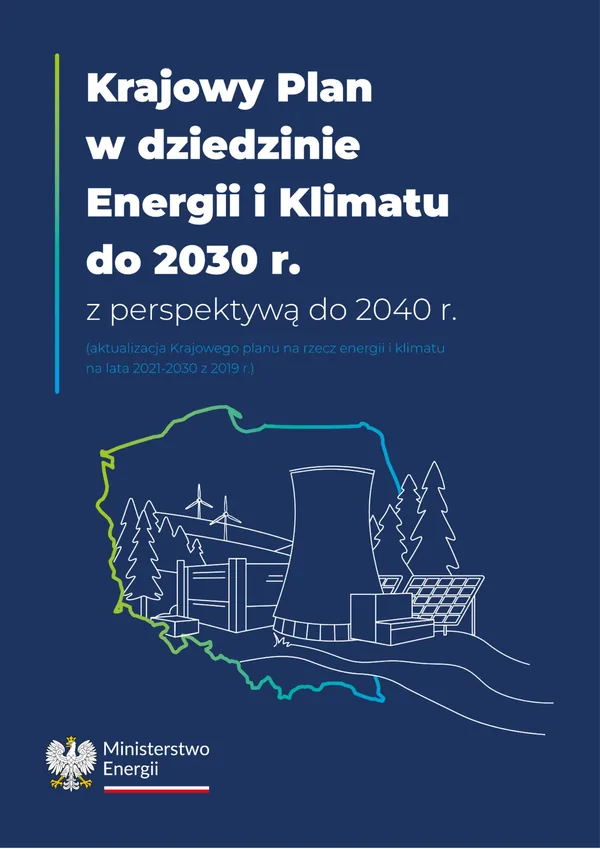
Poland’s National Energy and Climate Plan
In December 2025, Poland’s Ministry of Energy published the draft National Energy and Climate Plan through 2030, with a perspective to 2040 – a cornerstone for energy and economic transformation in Poland.
The Plan’s main goals include reducing greenhouse gas emissions and boosting renewable energy sources to over 50% in Poland’s energy mix. Wind power and photovoltaics will play a key role.
The draft outlines two scenarios: the Accelerated Transformation scenario (WAM), which assumes additional measures to meet parts of the Fit for 55 package commitments, and the Balanced Transformation scenario (WEM), based on current legal and financial instruments.
Projections show hard coal demand dropping to 28.4 million tons by 2030 in the balanced scenario, or 19.4 million tons in the accelerated one. Domestic coal production will cover this demand. The Plan includes support for coal regions and job protection in line with the social agreement.
In the long term, energy should become cheaper, but there’s a risk of energy poverty. Switching to electric heating in poorly insulated buildings could be challenging without renovations, potentially driving up heating costs. The Plan therefore provides protections for vulnerable households, investments in energy efficiency, and temporary safeguards.
This transformation demands massive investments in grids and generation. According to the National Plan, total investments for Poland’s energy transition from 2026 to 2040 will range from about 2.7 trillion PLN to 3.5 trillion PLN, depending on the scenario, with the bulk going to the power sector.
The video is hosted on YouTube. It is loaded only after you click play. Watch on YouTube (opens in a new tab)
-
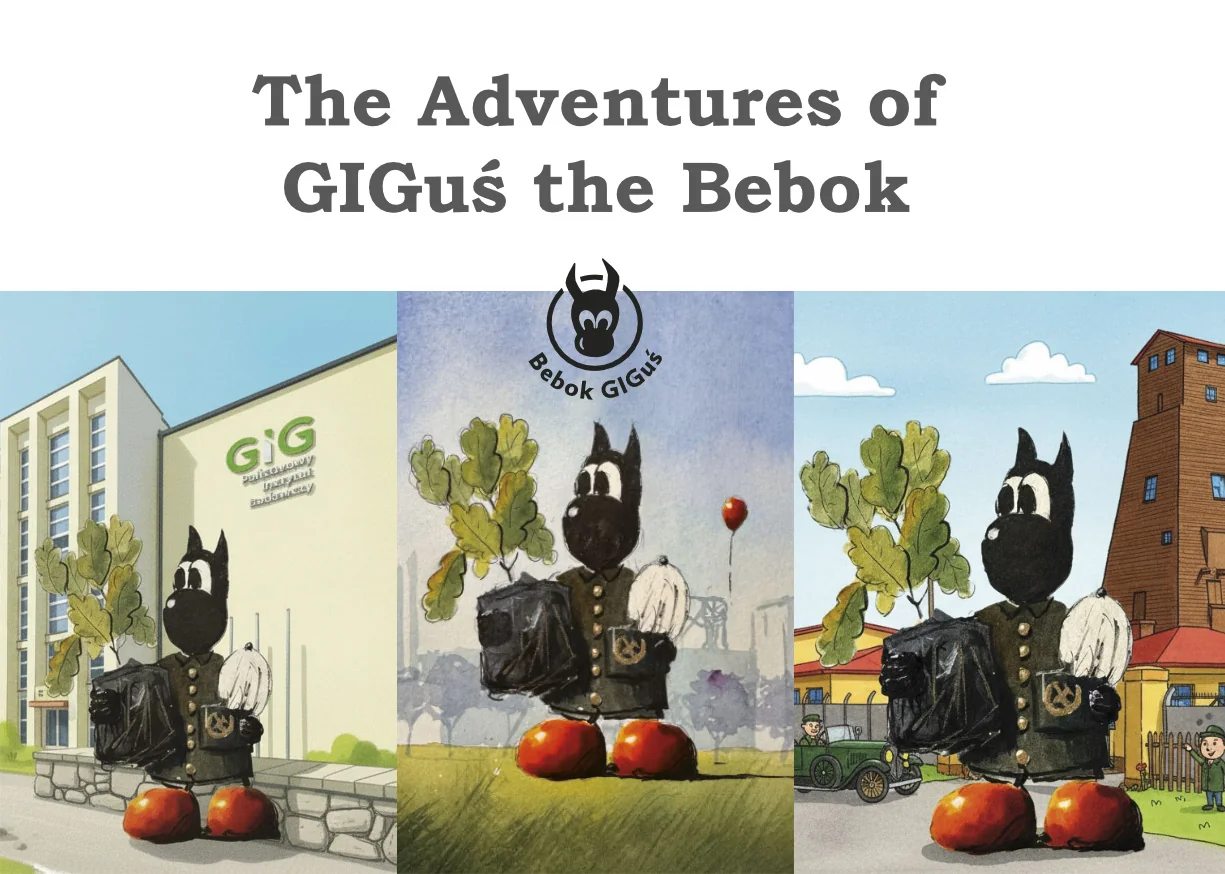
The Adventures of GIGuś the Bebok
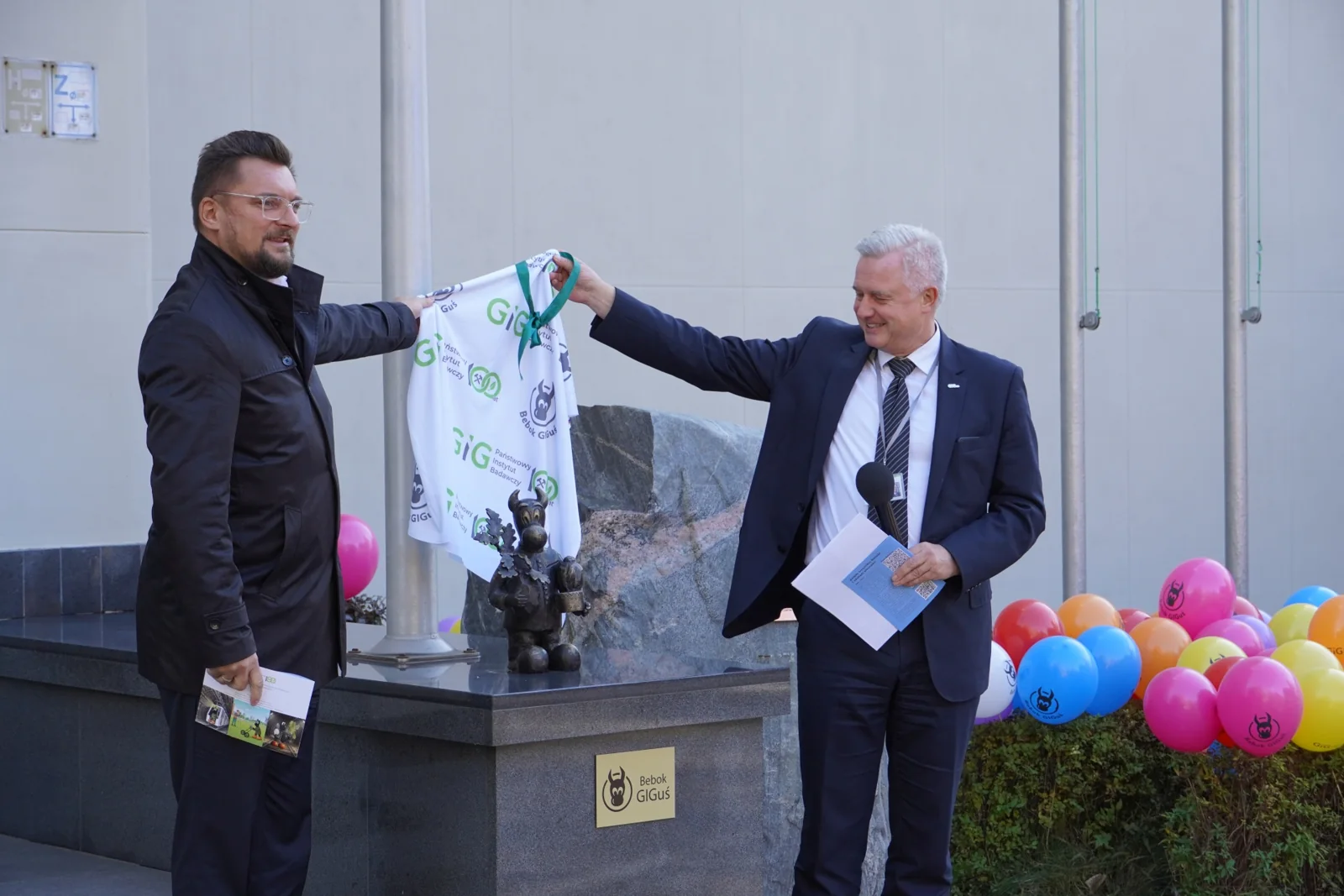
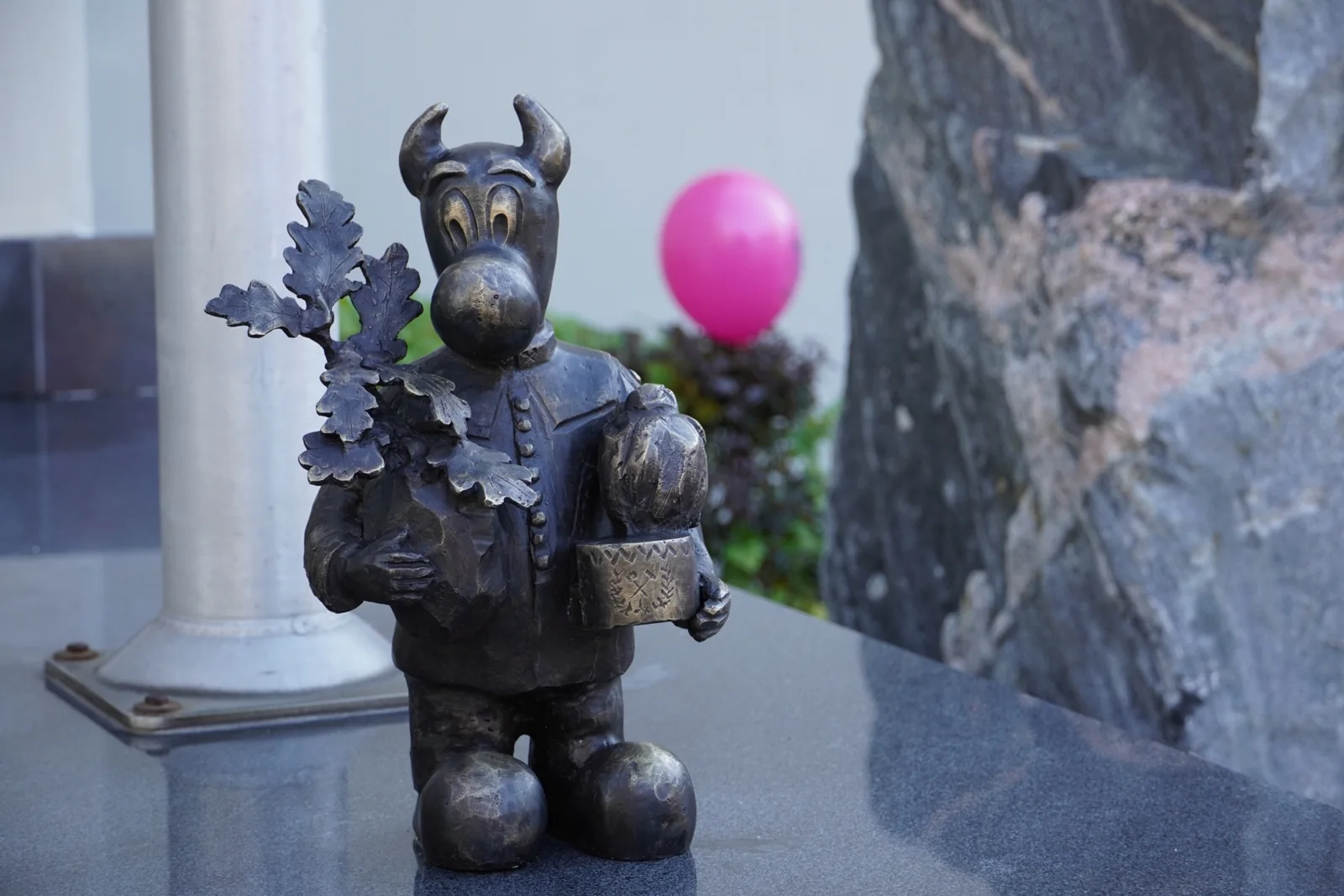
We are happy to present a unique booklet “The Adventures of GIGuś the Bebok”, which was created for the unveiling of the Bebok figurine at GIG-PIB in Katowice.
What are “Beboks” in Katowice? “Beboks” are a series of small bronze figurines installed throughout the city of Katowice, as attractive symbols of local culture. Each Bebok has its own name, story and personality, and is connected to a specific place or profession.
A Bebok (pronounced beh-bok) is a character from Silesian folklore, a traditional regional culture in southern Poland. In old stories, Beboks were mischievous creatures who were said to scare naughty children into behaving well. In modern interpretations, like in our project, the Bebok has changed from a scary figure into a friendly spirit, a symbol that connects local tradition with modern values of science and sustainability.
GIGuś the Bebok is an ambassador of knowledge and care for nature, combining mining tradition with a vision of clean, green Silesia.
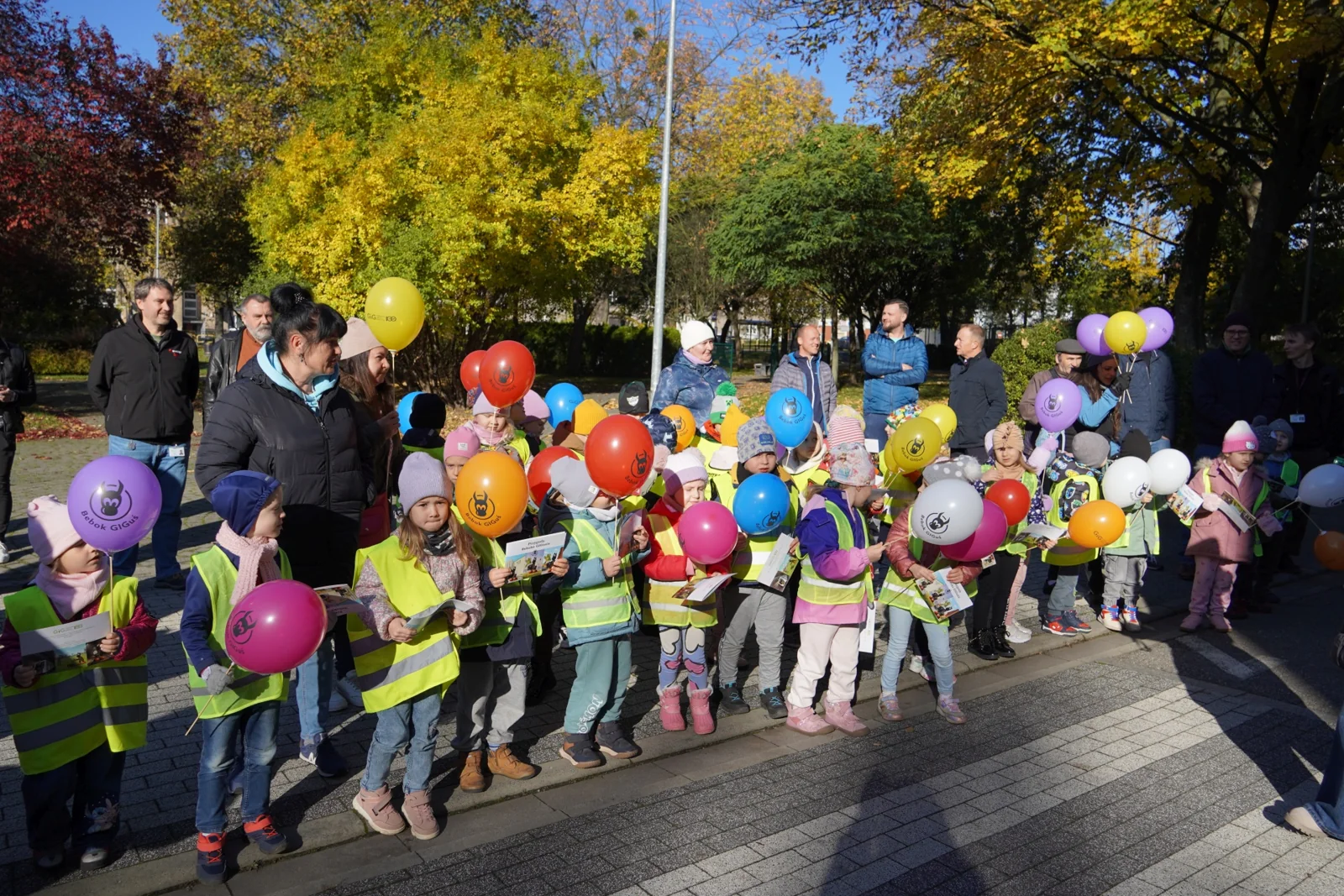
“The Adventures of GIGuś the Bebok” booklet was created as part of the celebration of the 100th anniversary of GIG-PIB and fits perfectly into the goals of the RAISING project. Its mission is to inspire the youngest to discover the world of science, develop curiosity and build a responsible attitude towards the environment. Thanks to the booklet children can understand in a simple, fairy-tale way what the Institute does and how mining Silesia has been changing.
See how we tell the youngest about our history!